AI Creators
AI UGC or human creator? Start with the job, not the novelty
Synthetic production is fast. Human testimony carries lived stakes. A useful content system knows which advantage the brief needs.
The demo is persuasive. A presenter appears in a clean kitchen, holds the product at the right angle, delivers three approved claims, and switches from English to Japanese without a reshoot. Nobody waited for a package, missed a call time, or asked whether the fourth revision counted as a new concept. The production manager can already see the calendar compressing.
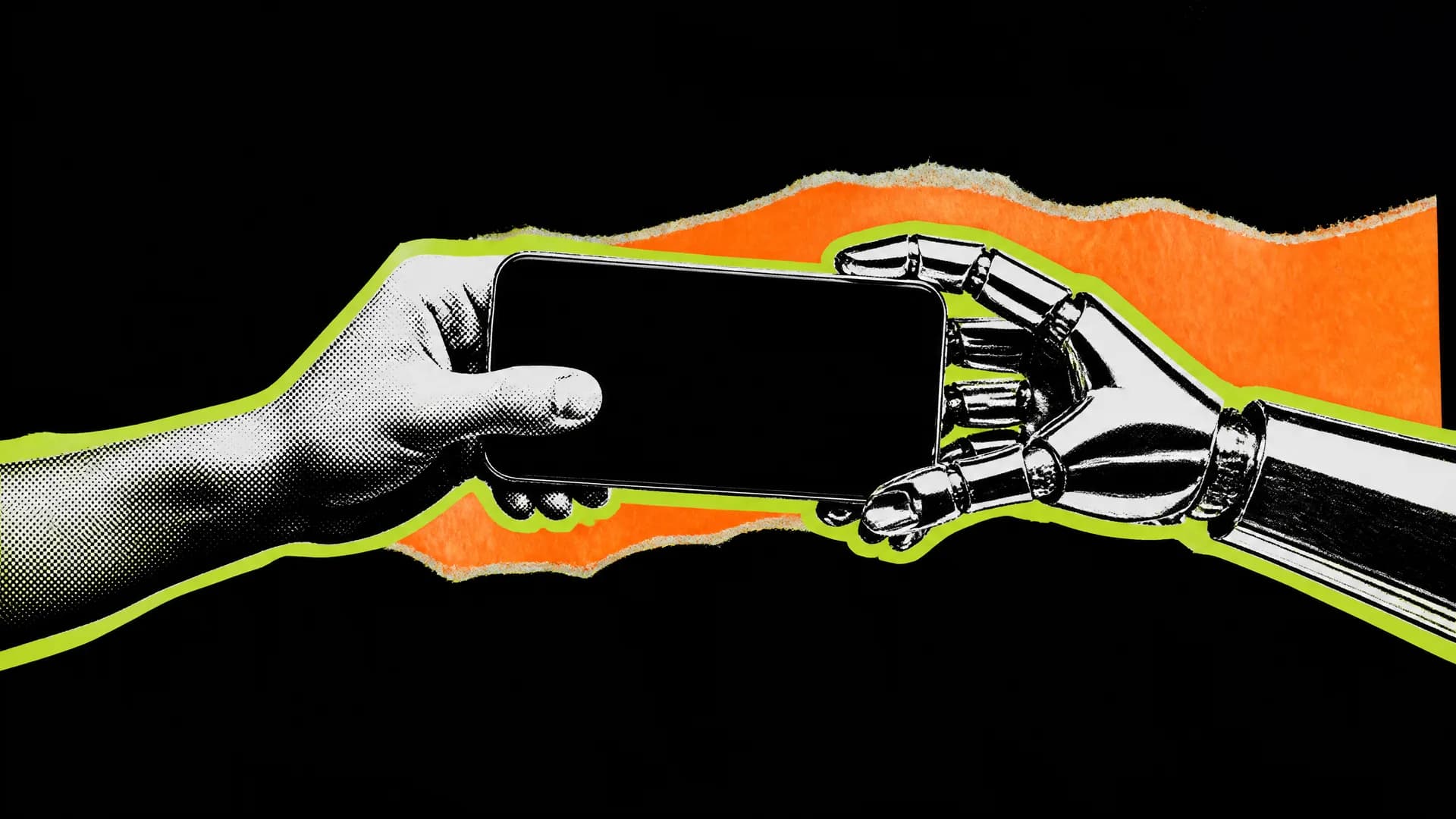
Then somebody asks the question the demo avoided: why should the viewer believe this person? If the asset needs only a clear product explanation, that may not matter. If it depends on personal experience, social proof, or a creator's relationship with an audience, it matters more than every hour saved. The decision is not human versus machine. It is controlled representation versus earned human context.
01
The two formats create value in different places
AI production creates value through control. A team can lock pronunciation, wardrobe, background, pacing, and message, then generate structured variations without rebuilding a physical set. That is useful for product education, localization, onboarding, and high-volume testing where the presenter is a delivery mechanism rather than the source of the claim.
Human creators create value through context the brand cannot manufacture on command. They have routines, preferences, minor frustrations, physical habits, and an existing relationship with viewers. The way a creator opens a jar, pauses before a verdict, or compares the product with something already in their home can carry more credibility than the approved sentence itself.
02
Match the format to the persuasion job
Break the brief into jobs. Explanation asks whether the viewer can understand the mechanism. Demonstration asks whether the product can be shown clearly. Testimony asks whether a person can honestly describe an experience. Endorsement borrows the weight of an identifiable person. Entertainment asks for a performance worth watching even before the product appears. Those jobs do not carry the same human requirement.
A synthetic presenter can explain a software workflow or introduce three product features without pretending to be a customer. It becomes a poor fit when the script says, ‘I have used this for six months,’ when no such experience exists. A human creator is not automatically credible either; a borrowed script can flatten a real person into a synthetic performance with slower production.
03
Compare the whole cost, not the render price
AI lowers some costs and introduces others: persona design, model consistency, product compositing, speech cleanup, disclosure review, quality control, and the labor of rejecting uncanny outputs. A cheap generation that needs hours of correction is not cheap. Neither is a fast localized version that uses the wrong register and damages trust in that market.
Human production carries casting, product shipping, scheduling, revisions, rights, and occasional dropouts. It also produces unscripted observations that can improve the strategy. Put both routes into the same model: concept development, asset creation, review, permissions, distribution, failure rate, and the cost of making the next variation.
04
The useful answer is often a hybrid system
Human creators can establish the language, objections, demonstrations, and cultural texture that deserve to scale. AI can then support versioning around those proven ideas: alternate product explanations, internal previsualization, lower-risk localization drafts, or modular scenes that do not claim personal experience. The human work becomes the source of truth rather than a decorative sample.
The reverse can also work. Synthetic storyboards can help a team test composition, timing, or message order before sending a creator a brief. That should make the human shoot more intentional, not force the creator to imitate an avatar frame by frame. A hybrid system is strong when each method keeps the part it does best.
05
Use a decision scorecard before choosing a tool
Score the concept on five dimensions: how much lived experience it claims, how important audience relationship is, how much physical product truth must appear, how many controlled versions are required, and how severe a trust failure would be. High testimony and high relationship point toward a human creator. High version volume and low identity dependence point toward synthetic production.
Then apply a veto layer. Does the market or platform require a disclosure? Do you have permission for every likeness, voice, logo, and source asset? Can the product claim be supported? Will the audience understand what they are seeing? Speed matters only after those questions have credible owners. The best format preserves the truth of the idea while giving the team enough output to learn.
If the value of the sentence changes depending on who says it, identity is part of the product.