AI Creators
AI UGC disclosure is a creative decision before it is a label
A tiny disclaimer cannot rescue a concept designed to be mistaken for testimony. Build the truth of the asset into its premise, script, and release process.

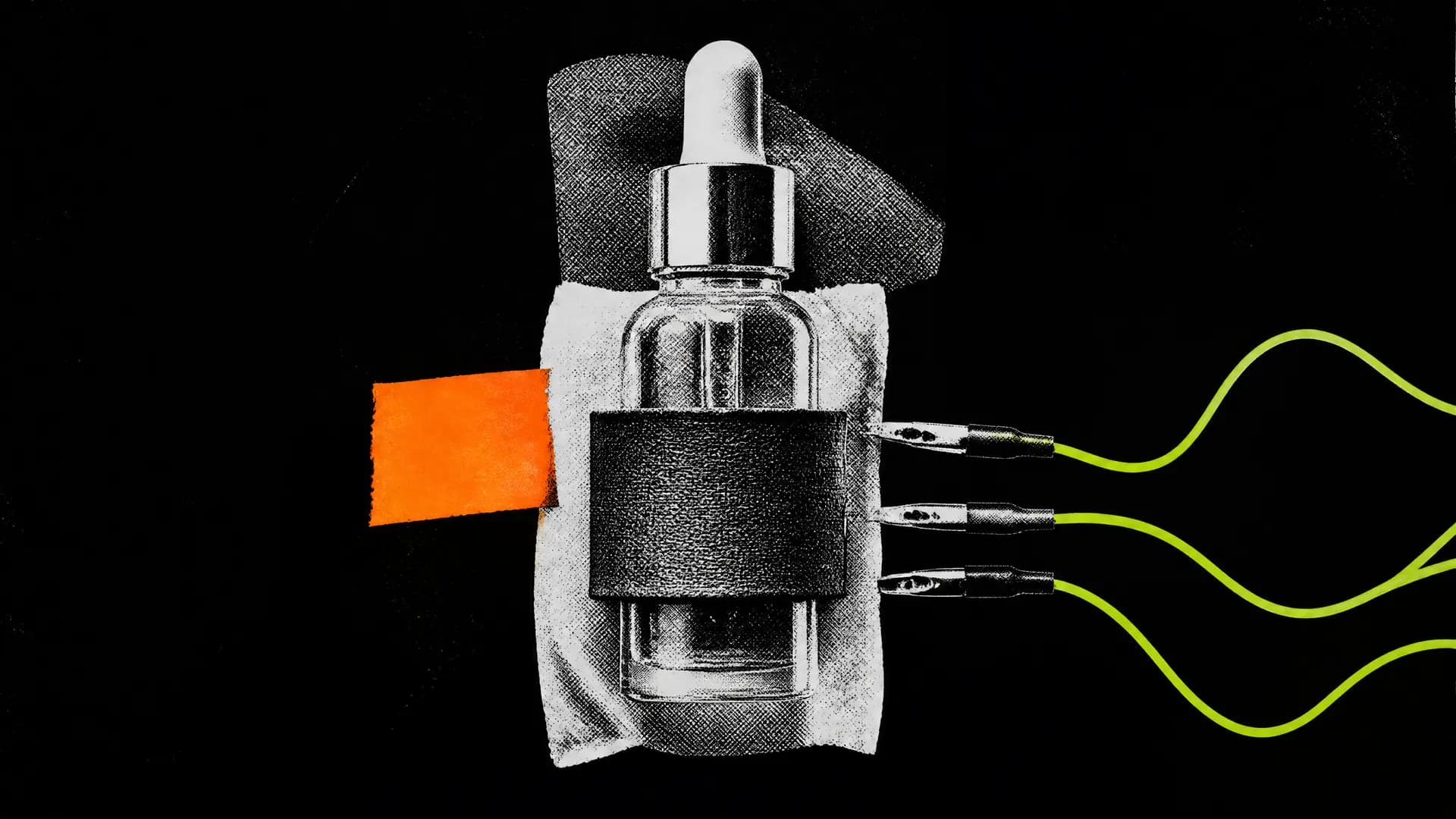
A synthetic presenter looks into camera and says the serum fixed the dryness she had struggled with all winter. The lighting is plausible, the bathroom is plausible, and the delivery has exactly the small hesitation that makes an endorsement feel unpolished. A label appears for a moment in the corner. The production team calls the asset disclosed.
The problem is not whether the label was technically present. The problem is that the creative premise asks the viewer to infer an experience that never happened. Disclosure cannot be separated from the claim, the identity of the speaker, the platform context, or the likelihood that an ordinary viewer will notice and understand it.
01
Start with the premise, not the disclosure sticker
An AI presenter can be framed honestly as a host, guide, character, simulation, or brand-created spokesperson. Each premise tells the viewer what kind of communication they are receiving. Trouble begins when the asset borrows the visual grammar of a personal review, such as handheld framing, confessional language, or before-and-after claims, without a real reviewer behind it.
Ask what a reasonable viewer would believe about the speaker. Are they a customer, employee, fictional character, licensed likeness, or generated host? Would that belief change how the viewer evaluates the claim? If the answer is yes, the identity cannot be buried in metadata or a caption most paid placements will crop.
02
Disclosure needs more than one layer
Use the platform's synthetic-media or branded-content controls when applicable, but do not treat them as the entire communication. Add a plain-language visual disclosure inside the creative where a viewer can encounter it before or with the relevant claim. Carry the same truth into the caption, landing page, and any reposted or recut version.
Design for real viewing conditions. Mobile text must survive safe zones, compression, muted playback, and a fast scroll. Spoken disclosure helps but does not serve a viewer watching without sound. A caption-only disclosure can disappear when an asset becomes an ad placement. Redundancy is useful when each layer is simple and consistent.
03
A disclosed fabrication can still make a false claim
Telling viewers that a presenter is synthetic does not make unsupported product claims acceptable. A generated before-and-after image is not product evidence. A scripted testimonial is not an actual experience. A composite demonstration that changes the apparent performance of the product still changes what the viewer is being asked to believe.
Separate demonstrable product facts, approved marketing claims, dramatized scenarios, and human testimony in the brief. Give each category an evidence owner. If the team cannot explain how a visual result was produced and what it represents, the asset is not ready for distribution, regardless of how visible the AI label is.
04
Keep a release record for every final asset
Record the generation model or workflow, date, prompt owner, source footage, licensed voice or likeness, product imagery, music, claim approvals, disclosure treatment, editor, and exported filenames. The purpose is not paperwork theater. It is being able to answer a platform, creator, regulator, or customer when the origin of an asset is questioned.
Version control matters because disclosures are easy to lose during localization and recutting. The approved sixteen-second file may be compliant while the nine-second performance edit drops the opening label. Connect every export to the same approval record and require a new check when claims, markets, identities, or placements change.
05
Use transparency as part of the creative idea
The strongest AI concepts do not act embarrassed about how they were made. They use synthetic production where it adds visible value: impossible product worlds, rapid language switching, clear simulation, playful characters, or controlled educational sequences. The disclosure then explains an interesting production choice instead of confessing a hidden substitution.
Trust is not created by announcing every tool in a production stack. It is created by preventing the audience from drawing a materially wrong conclusion. Build the premise, claim, label, and distribution plan around that standard. A transparent asset can still be entertaining; a misleading one does not become honest because legal found a smaller font.
A tiny label cannot rescue a creative premise designed to be mistaken for testimony.