UGC Systems
Product seeding is not free influencer marketing
Sending product can create discovery and relationships, but the program still spends inventory, logistics, attention, and trust.
A hundred packages leave the warehouse. The tracking dashboard turns green. Social stays quiet. A week later, the brand team starts sending polite follow-ups that become less polite with every message: Did it arrive? Are you planning to post? Could you send the raw file too? The creator remembers accepting a gift. The brand remembers approving a campaign.
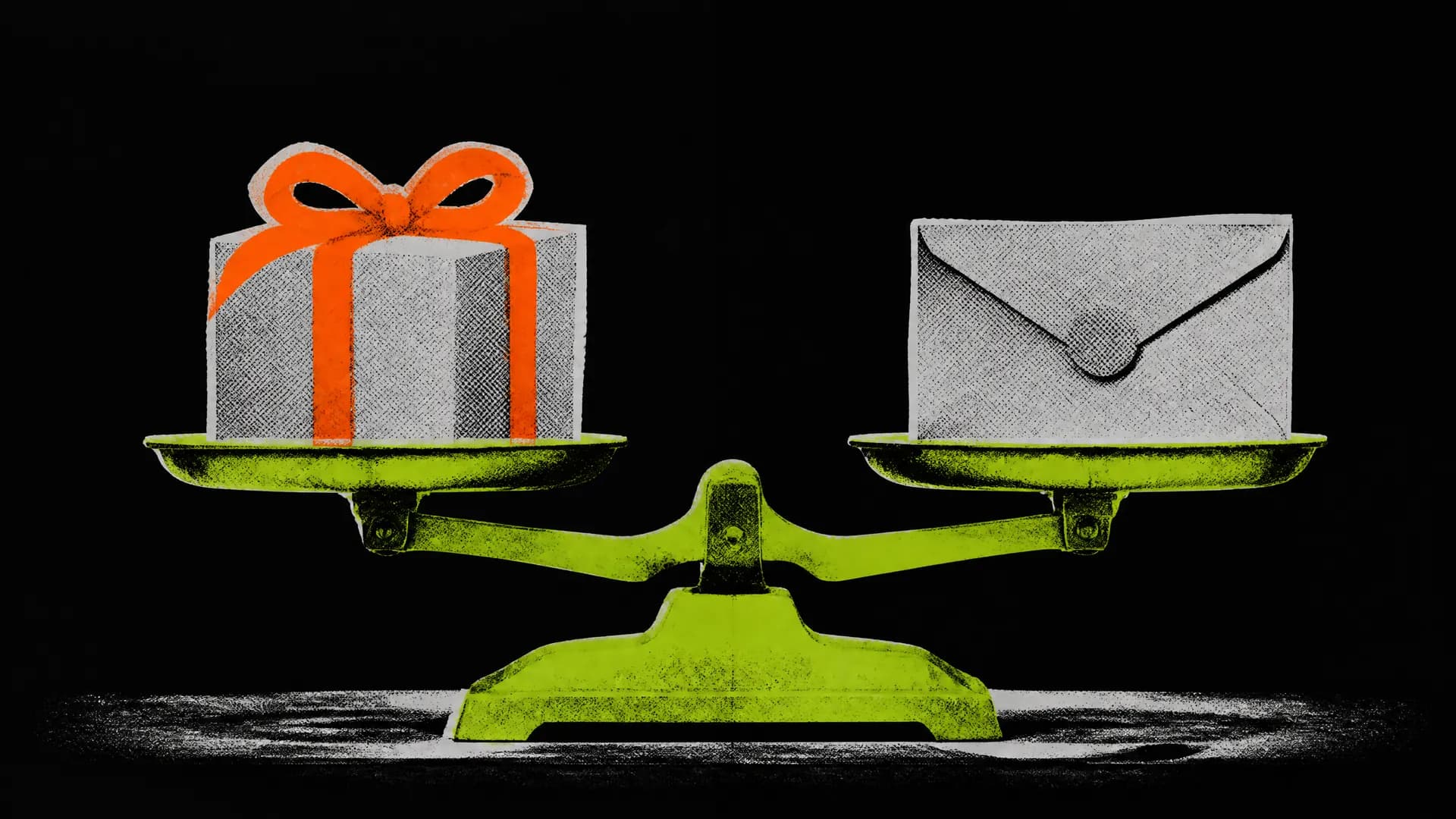
Product seeding can be one of the most useful ways to let creators discover a product without forcing an endorsement. It can also become a wasteful logistics project or a disguised unpaid brief. The difference is expectation design.
The product is not free to the brand, and it is not neutral to the creator. Inventory, fulfillment, customs, packaging, outreach, follow-up, and relationship cost all exist. A useful program decides what it is buying before the boxes move.
01
A gift is not a content contract
If a creator can receive the product and never post, the brand is seeding. If the brand requires a post, a deadline, claims, revisions, or specific usage rights, it has moved into a collaboration and should document compensation and terms accordingly. Calling the exchange ‘gifting’ does not make the obligations disappear.
This boundary protects the relationship. Creators can evaluate the product without performing gratitude. Brands can stop building forecasts around content they never contracted. When a creator voluntarily posts after receiving something of value, disclosure obligations may still apply depending on the relationship and jurisdiction. The safe program makes that expectation clear without scripting a positive opinion.
02
Price the box before calling the channel efficient
Use landed cost, not retail price and not product cost alone. Include inventory, pick and pack, custom inserts, packaging, domestic or international shipping, failed deliveries, duties, replacement units, outreach tools, and staff time. Fragile, perishable, regulated, sized, or personalized products add more failure points.
Then account for opportunity cost. A limited product unit sent to a poor-fit creator cannot be sold or used in a stronger partnership. Excess packaging can make a sustainability message look incoherent before the product is opened. A beautiful unboxing experience may be worth the cost, but it should serve the product story rather than become expensive confetti.
03
Cast for likelihood of genuine use
Audience size is a weak seeding criterion when the product has no natural place in the creator's life. Look for category behavior: what they already buy, demonstrate, complain about, collect, or teach. Read comments. Notice whether followers ask for recommendations. A creator who regularly shares detailed routines may be more likely to form an opinion than someone whose feed merely matches the brand palette.
Ask permission before shipping. Confirm size, shade, allergies, device compatibility, address, and timing. Surprise can be charming for a friend and operationally careless for a commercial program. A creator should not have to publish private information or dispose of an irrelevant product because the brand wanted an unsolicited unboxing moment.
04
Design the experience without writing the reaction
Provide enough context for the creator to use the product correctly. Include setup, care, safety, and a direct contact for questions. Explain why the product may fit their work. Keep the note personal and short. A dense brand deck inside a gift signals that an unpaid deliverable is hiding in the tissue paper.
Do not require positive sentiment. A creator may dislike the product, remain silent, or share criticism. That possibility is part of the difference between discovery and purchased media. If the brand cannot accept it, the correct tool is a paid, clearly disclosed production agreement with claims limited to the creator's honest experience.
05
Follow up like a relationship, not a collections department
A delivery confirmation and a useful support message are reasonable. Repeated requests for a posting date are not, unless timing was agreed. Build follow-up around service: Did it arrive intact? Is the setup clear? Is there a better variant for you? If the creator shares content, thank them and ask separately about permission before downloading or repurposing it.
Record the relationship over time. A creator who does not post today may become a strong paid partner after genuinely using the product. Someone who posts immediately may still be a poor fit for a long-term program. Seeding works when it creates informed relationships rather than a monthly hunt for free impressions.
06
Know when the job requires payment
Pay when the brand needs a guaranteed deliverable, a schedule, specific product coverage, review rounds, category exclusivity, raw footage, paid media rights, or access through the creator's identity. Payment does not buy a false opinion. It compensates the creator for defined labor, access, and commercial use while preserving disclosure and truthfulness.
Seeding can precede that relationship. A creator who already knows the product can often produce better work with less forced enthusiasm. But the paid scope should begin cleanly, with a new agreement and no implication that the earlier gift created a debt.
The best seeding programs are comfortable with uncertainty because discovery is the point. The best paid programs remove uncertainty where the business needs a commitment.
Seeding buys a chance to be experienced. Payment buys defined labor and commercial permission, not a positive opinion.