Creative Performance
Hook rate, hold rate, conversion: read the creative as a chain
Attention metrics are useful only when they help locate where the promise, proof, offer, or landing experience stops working.
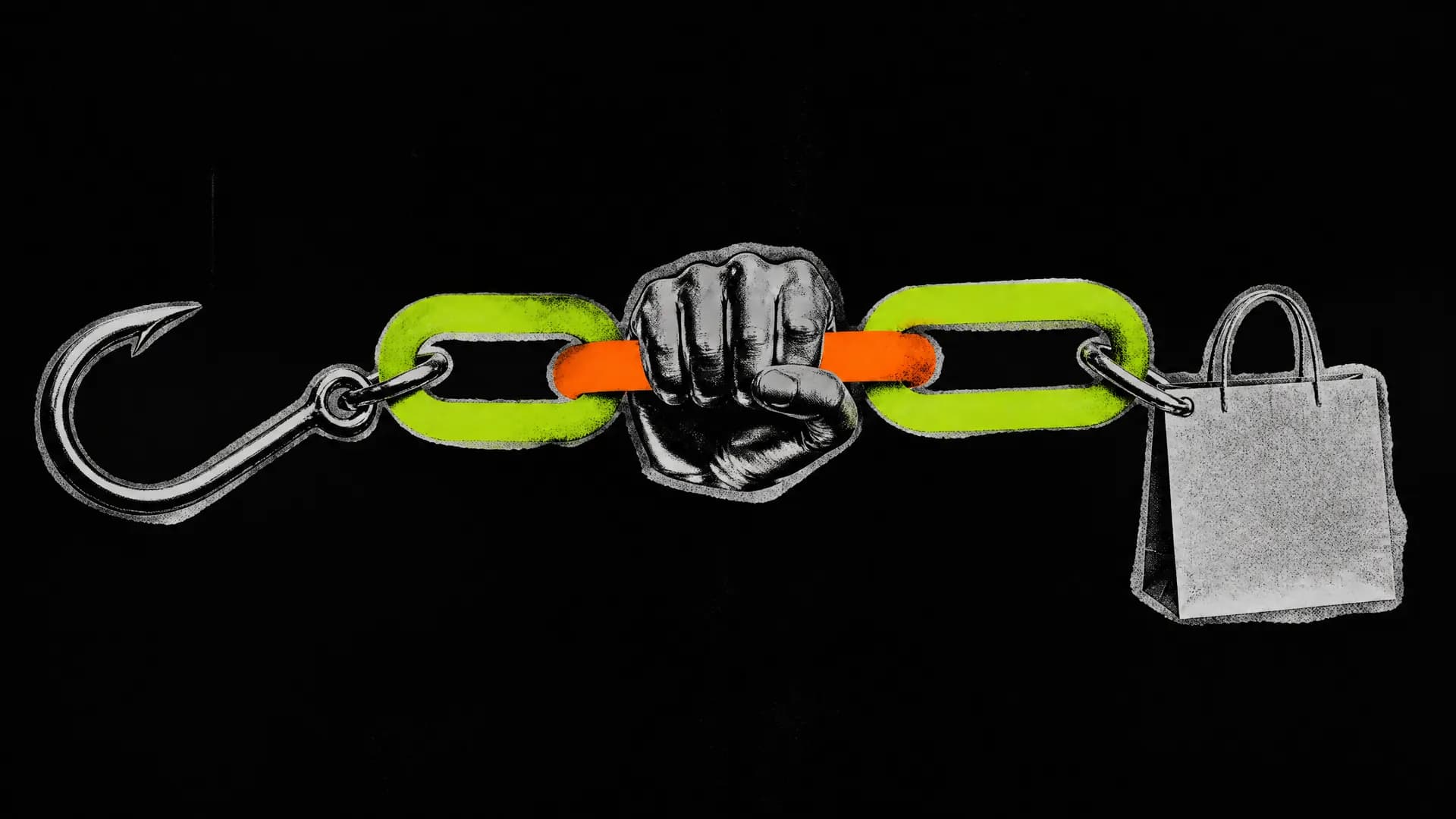
The opening is declared a winner because it has the highest hook rate. The media team scales it. Conversion drops. In the video, the creator opens with a dramatic claim that earns a pause, then spends twenty seconds explaining a less dramatic product. The hook worked as a traffic accident and failed as a contract.
Hook, hold, click, and conversion are not medals. They are clues about what the viewer understood and chose at each stage. Reading them together helps a team improve the weak link without replacing an entire concept because one number looked disappointing.
01
Hook rate asks whether the first moment earned attention
The opening can earn attention through relevance, specificity, visible proof, tension, recognition, motion, or surprise. A high rate does not prove positive interest. Confusion, outrage, or a misleading promise can also delay the scroll. Watch the opening and read audience response before interpreting the number.
Compare distinct hook jobs against the same body where possible. If an objection-led opening beats a generic result claim, the learning is about audience hesitation, not merely wording. Preserve that strategic interpretation in the next brief.
02
Hold rate shows whether the body keeps the contract
A sharp drop after a strong opening often means the body slows, changes subject, hides the product, or fails to produce the promised proof. A gradual decline may be normal for the format. A specific cliff can point to a confusing edit, repeated point, hard sell, or disclosure moment that changes the reading.
Inspect retention by beat where available. Label the moments: setup, reveal, demonstration, objection, offer. Then compare videos with similar structures. ‘Make it shorter’ is sometimes correct, but removing the proof to improve completion can produce a more watchable and less persuasive ad.
03
The click measures motivated curiosity, not business value
A click can mean desire, price checking, disbelief, or a need for missing information. The call to action, offer, audience, placement, and landing expectation all shape it. A creator may qualify viewers honestly and produce fewer clicks with better downstream intent.
Make the transition coherent. Product name, promise, visual identity, offer, and next step should survive from creative to page. If the landing experience begins a different argument, diagnosing the ad alone will create endless new hooks for a broken handoff.
04
Conversion is the end of a longer system
Purchase behavior reflects creative, audience, auction, price, offer, inventory, site speed, trust, payment, and time to decide. Creative still matters, but it should not be assigned every failure. Review assisted behavior and longer windows where the category requires them.
Different creative can attract different mixes of buyers. Compare order quality, new customers, product mix, return behavior, or other meaningful outcomes when available. A low-cost conversion is not a good result if the promise creates poor-fit customers.
05
Turn the chain into a diagnosis
Strong hook and weak hold: repair the contract or pacing. Strong hold and weak click: strengthen desire, relevance, or next step. Strong click and weak conversion: inspect audience qualification, offer, and page. Weak attention with strong downstream quality: test clearer openings without changing the body that persuades.
These are hypotheses, not automatic verdicts. Watch the assets, compare context, and test the smallest meaningful change. Metrics are useful when they send the team back to a specific creative decision. They become theater when they are reported without the work they describe.
A hook is not successful because it stops the scroll. It succeeds when the rest of the journey can keep its promise.